Musée historique canadien / Canadian Historical Museum

Name
Location
Type of location
Cronology
Authors
Description
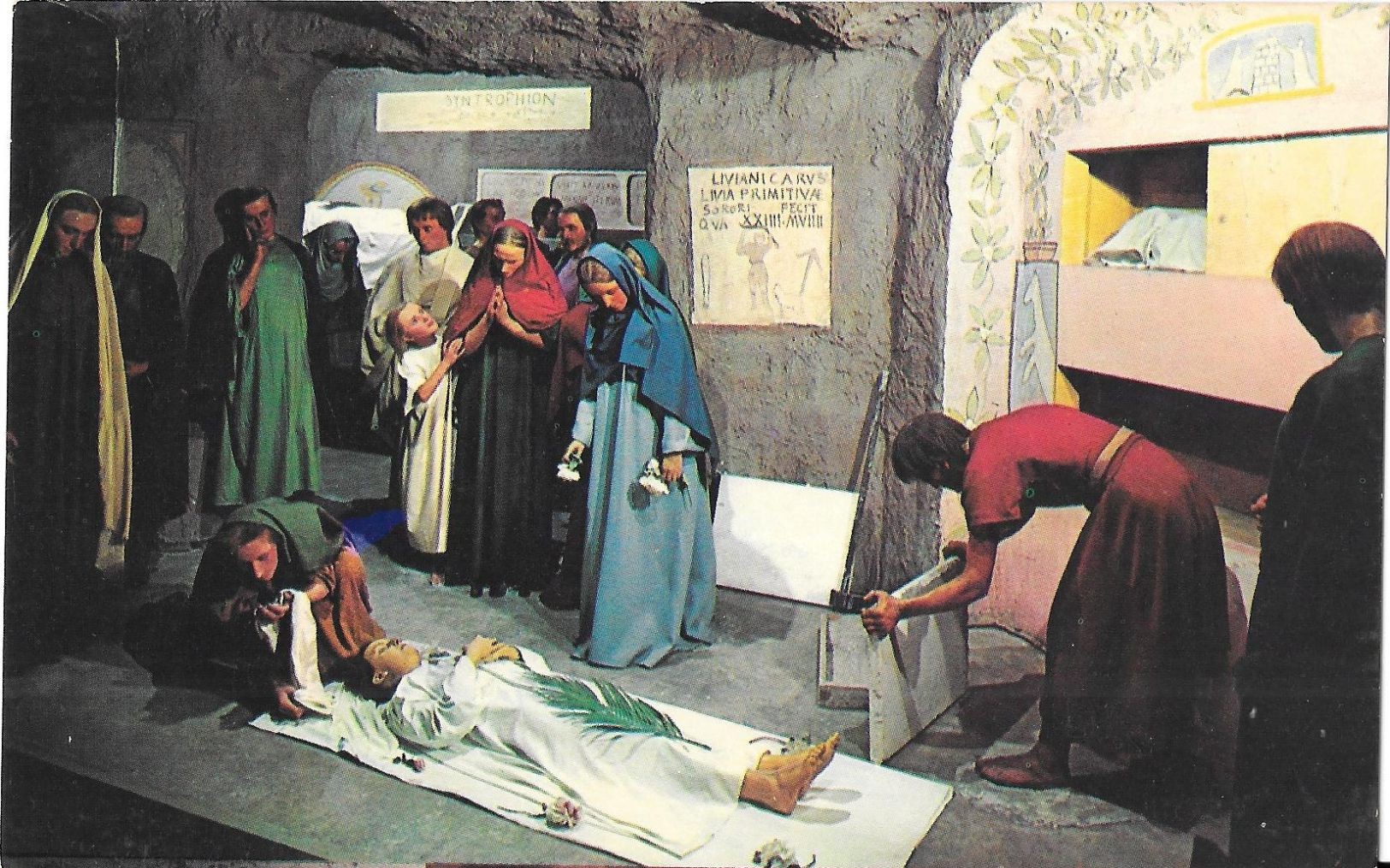
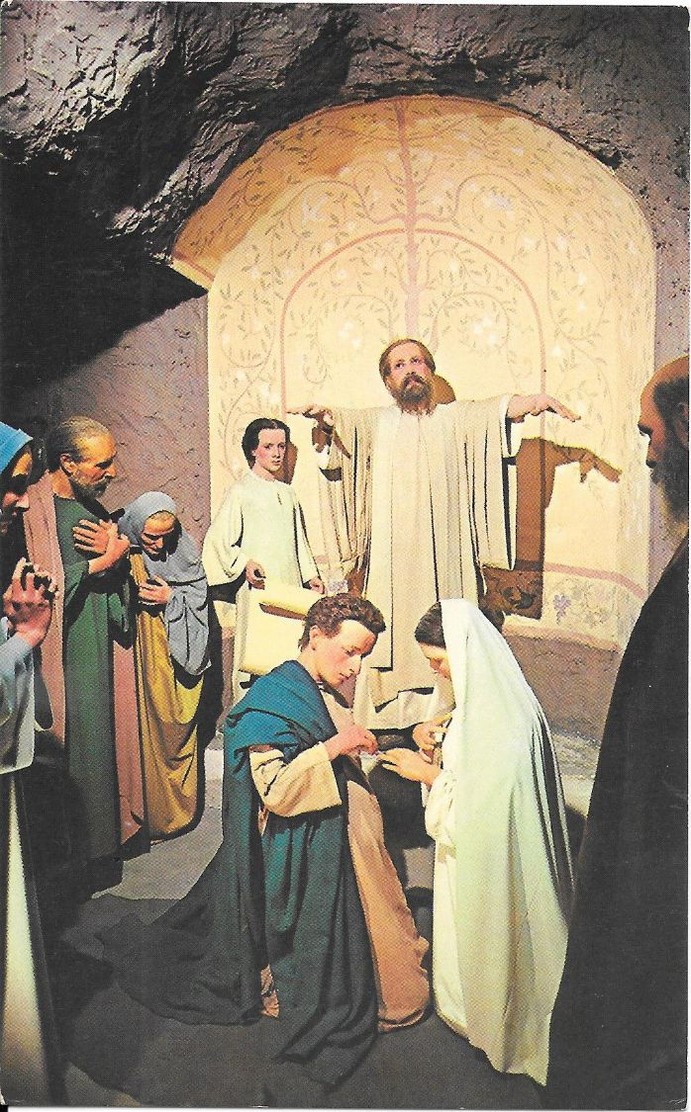
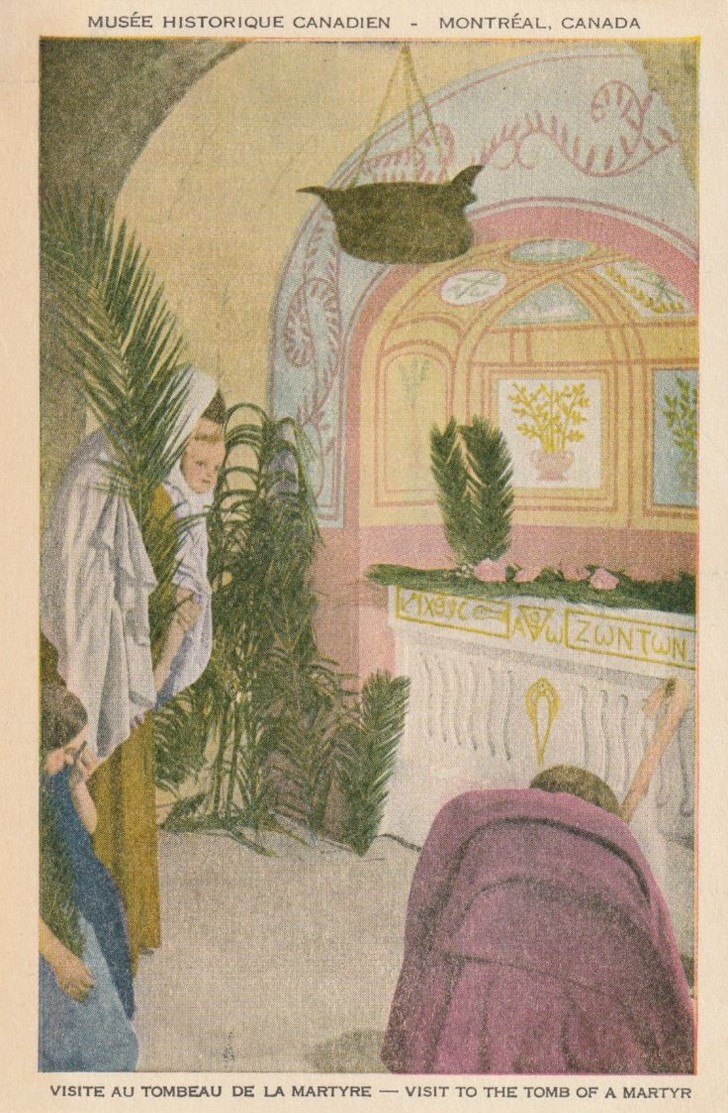
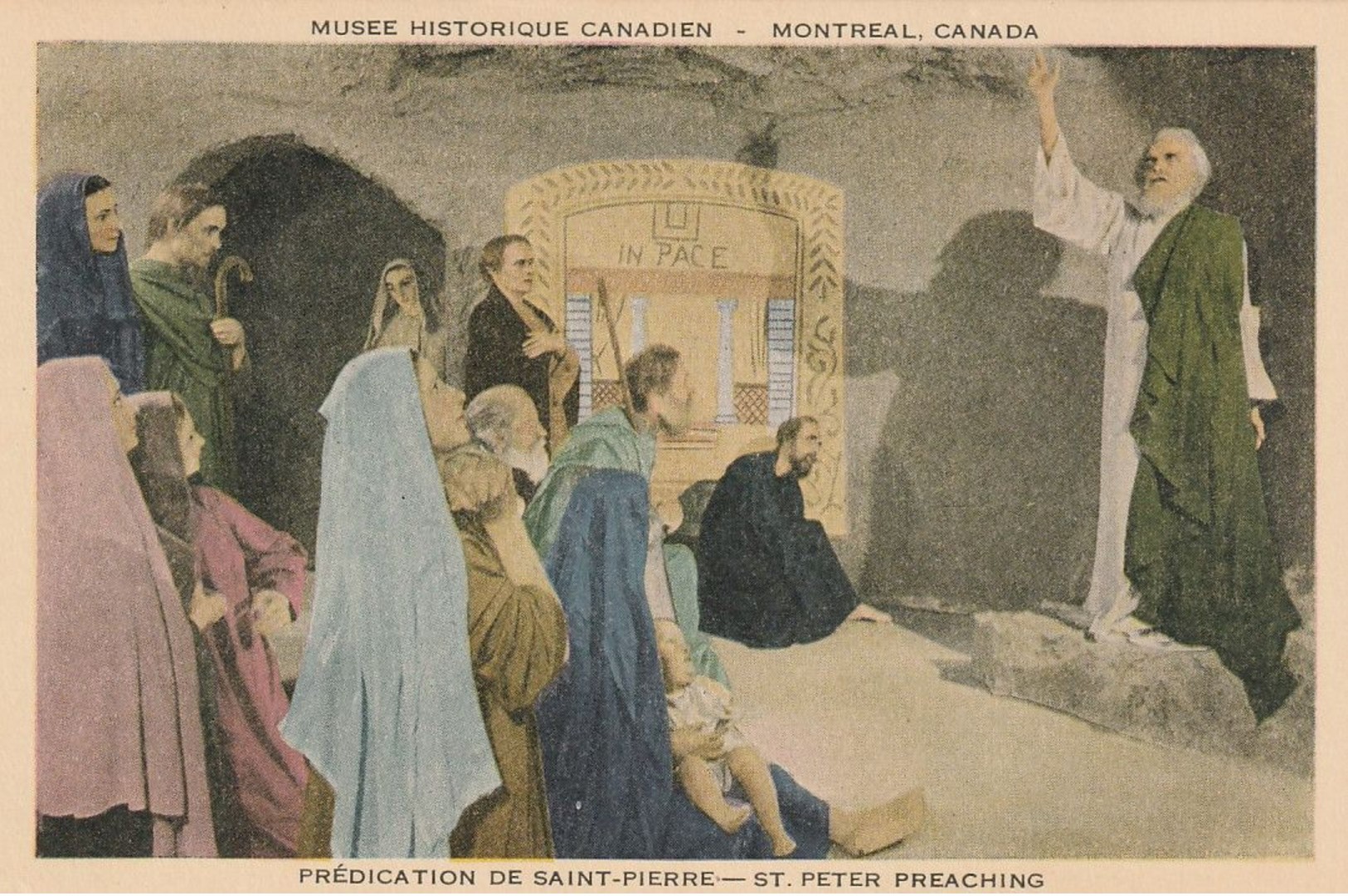
The Canadian Historical Museum (Montreal Wax Museum or the Canadian Catholic Museum) opened in 1935 in order to present scenes from the life of the first Christians and from Canadian history. Its founders were Robert Tancrède and sculptor Albert Chartier. All the mannequins were created by Albert Chartier in the Grévin studios in Paris: they were inspired directly by the Grevin Museum, therefore the scenes set up in the catacombs are very similar to those in Paris.
These scenes are known from the museum postcards and see life-size wax figures acting on a background that reproduced galleries and catacomb tombs. The visitors could enter a reproduction of galleries and “meet” some special scenes: the Holy Communion, a Fossor at Work, A marriage and a Baptism in the catacombs, St Peter preaching, a visit to the tomb of a Martyr.
The Canadian museum was a more religious version of the Parisian one. The museum and its postcards contributed to the intercontinental diffusion of catacombs reconstructions for the purpose of amusement through the reconstruction of sacred scenes.