José Carlos López-Gómez, Valentino Gasparini, "Introducing the Digital Platform Sylloge Inscriptionum Religionis Africae Romanae (SIRAR)", CaSteR 10 (2025), doi: 10.13125/caster/6871
Abstract
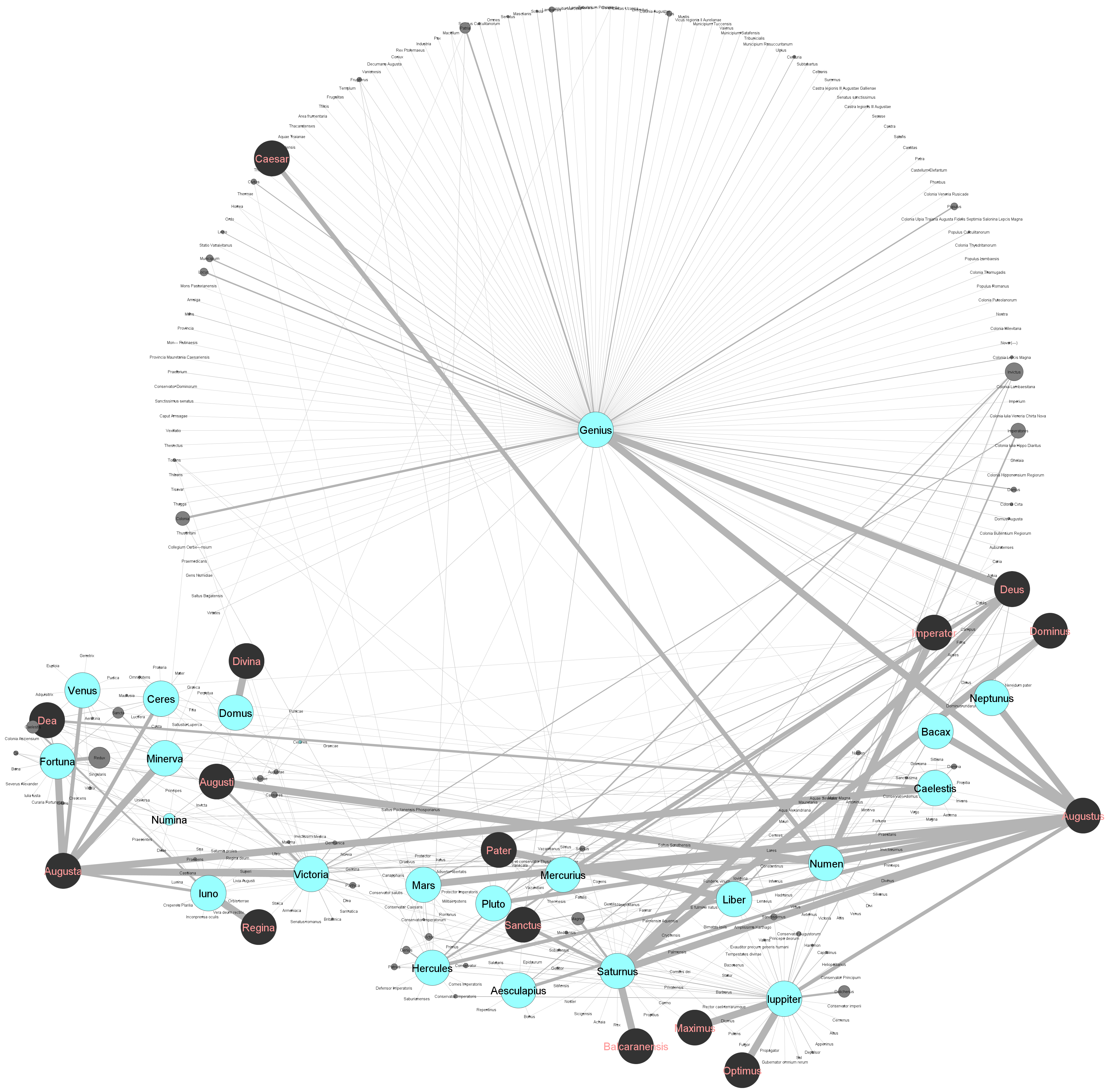
This article presents the aims, structure, and analytical potential of SIRAR (Sylloge Inscriptionum Religionis Africae Romanae), an open-access digital platform designed to catalog and analyze religious inscriptions from Roman Africa. Drawing on a corpus of nearly 5,800 inscriptions, the article explores divine onomastics – both theonyms and epithets – through quantitative, qualitative, and network-based methodologies. Particular attention is given to the interplay between normativity and creativity in the construction of divine names, and to the linguistic and cultural diversity of religious expressions across Neo-Punic, Greek, and Latin contexts. The study reveals polytheistic patterns of divine naming practices, their geographic and ritual distribution, and the socio-religious significance of metahuman agents in the epigraphic landscape of North African Roman provinces.
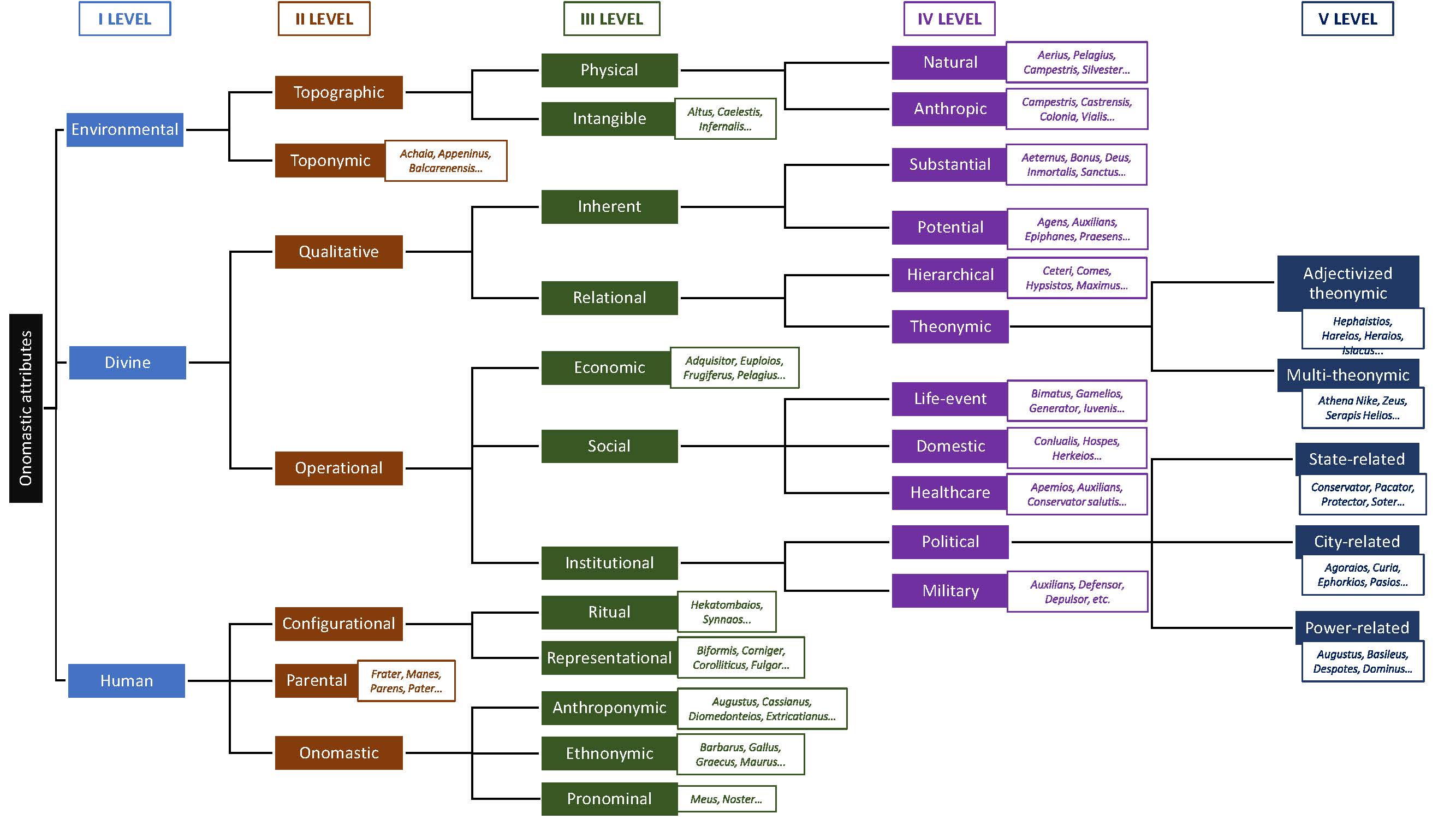
J. Alvar Ezquerra, A. Beltrán Ortega, M. Fernández Portaencasa, V. Gasparini, J.C. López-Gómez, B. Pañeda Murcia, L. Pérez Yarza, "Divine Onomastic Attributes in the Graeco-Roman World. Proposal for a New Taxonomy", en A. Alvar Nuño, C. Martínez Maza & J. Alvar Ezquerra (eds.), Calling upon Gods, Offering Bodies. Strategies of Human-Divine Communication in the Roman Empire. From Individual Experience to Social Reproduction, Lausanne et al.: Peter Lang 2024, pp. 17-50.
Abstract
This paper takes as its start point previous work on the classification of cult epithets and onomastic sequences, using this foundation to develop a new taxonomy that is “thematic” rather than “functional”. In doing so, it focuses on the diverse meanings that divine epithets could encompass in the Graeco-Roman world. The taxonomy advanced here seeks to capture the multifaceted aspects of divine onomastic attributes, adapted to the sense they have in the specific social and religious contexts in which they occur...